Why I Became an EMDR Therapist -My Story as a Certified EMDR Therapist
Photo Description: A calming banner image with a soft pastel overlay featuring EMDR therapist Kandace Ledergerber. Her portrait appears in a circular frame at the top center, showing her smiling and surrounded by green sunflower plants. Behind the text is a serene ocean scene in gentle pink and blue tones. The banner displays the blog title “Why I Became an EMDR Therapist: My Story as a Certified EMDR Therapist” with Kandace’s credentials listed below.
Photo by Pawel Nolbert on Unsplash
How I Realized Talk Therapy Alone Wasn’t Enough
For as long as I can remember, I’ve been the empathic helper — the person who noticed emotions, held space, and tried to make sense of what others were carrying (I know shocking!) Naturally, I found my way into the mental health field.
But once I began working with clients, I realized something painful but true: our system often doesn’t give people the tools they need to truly heal.
I sat with people who desperately wanted change but were stuck in patterns shaped by trauma, survival, and relationships that had not been safe. I supported children caught in situations far beyond their control. While talk therapy supported many of them in feeling seen and understood, something deeper was still missing. In many cases, it became clear why talk therapy alone isn’t always enough, especially when the nervous system is still holding onto unresolved distress.
People needed a way to help the body heal, not just the mind.
The Moment Everything Shifted: My Own EMDR Session
In early 2019, I experienced EMDR for the first time as a client. I understood the research. I believed in the science. But nothing prepared me for how it actually felt.
As the bilateral stimulation began, I watched my brain process something painful in a new and unexpected way. After some sets, my body loosened. My shoulders dropped. My breath started to relax. I even remember the difference in how I felt walking into the grocery store (immediately following my session) and how my whole body felt lighter.
It felt like what I now lovingly call “brain magic.”
And in that moment, I knew: I want to learn this. I want to help people experience this kind of relief, freedom, and possibility in their own bodies.
What EMDR Changed in My Work as a Therapist
When I began integrating EMDR into my therapy work, something shifted in a way I can still feel in my body today. Clients who had spent years trying to “logic their way out” of trauma finally had access to something deeper — something their nervous system had been holding onto long before they had words for it.
Instead of circling the same patterns, we started seeing real movement. Clients began describing more “ah-ha” moments, moments of ease or release and more moments of understanding why they were reacting the way they were - and most often it was born out of trying to cope with trauma.
Suddenly, therapy wasn’t just about insight or coping skills. It became about transformation — the kind that happens when the mind and body finally start speaking the same language again.
EMDR didn’t just change how I practice. It changed how I see healing and what I believe is truly possible for people.
Why EMDR Works for Trauma (In Simple, Nervous-System Language)
Trauma isn’t just a memory — it’s an experience we live out over and over again in our body. When something overwhelming happens, the nervous system doesn’t always get to fully process it. Instead, it stores the sensations, emotions, and beliefs for later, keeping you in patterns of protection long after the threat is gone.
If you’ve ever wonderedwhy your body reacts before you can think, you’re not alone, many people are surprised to learn just how much their nervous system is trying to protect them.
EMDR helps by engaging both sides of the brain through bilateral stimulation. This isn’t magic — it’s your brain’s natural processing system coming back online. As those networks open, the body can finally relax, integrate, and release what was once stuck.
People often tell me, “I didn’t even know that memory still affected me until I felt the shift.” And that’s one of the coolest things when seeing EMDR action.
It meets you where you are, works with your biology, and helps your system move toward healing in a safe and supported way. If you want to learn more about EMDR, check out my complete guide.
Why I Trust EMDR With My Whole Heart
When I completed my EMDR training, people often approached me with questions, mostly rooted in fear. And I understood it. It’s completely normal to feel nervous about EMDR or unsure about what it will be like. Trauma can feel overwhelming, especially if your body hasn’t had many safe places to land.
This is why EMDR is never about jumping straight into painful memories. It starts with building safety, stabilization, and trust.
You deserve to feel grounded and supported before we ever enter reprocessing.
This foundation is a key part of how I practice and why many clients feel EMDR finally helps them heal in ways talk therapy alone never could.
What Healing Can Look Like Through EMDR
Photo by Linus Nylund on Unsplash
Photo Description: Quote graphic reading "Healing through EMDR isn't about erasing the past — it's about easing the weight it has placed on your nervous system." Attributed to Kandace Ledergerber, LPC/LMHC. Soft pastel pink and mint ocean horizon at sunrise.
Healing through EMDR isn’t about erasing the past, it’s about easing the weight it has placed on your nervous system, helping you see the message perceived in a different light. Clients often describe subtle but meaningful shifts: feeling less triggered by everyday moments, reconnecting with their intuition, feeling more present in their relationships, or finally experiencing a sense of security in their bodies.
Sometimes healing looks like reclaiming your voice.
Sometimes it looks like setting a boundary for the first time.
Sometimes it simply looks like taking a deeper breath without even realizing you’re doing it.
EMDR creates the conditions for your system to gently rewire old survival patterns and open up space for clarity, choice, and connection.
It’s not overnight, but it is powerful, and it’s possible.
If you’re reading this and you’ve been wondering “Yeah, that sounds great. But how do I know if this is the right fit for me? Check out this blog - Is EMDR Right for Me? Common Questions Answered where I dive into some of the questions I hear most often.
If You’re Exploring EMDR Therapy in Phoenix
If you've been feeling stuck, overwhelmed, shut down, disconnected, or unsure how to move forward, you're not alone, and you don't have to figure it out by yourself.
I offer EMDR therapy in Phoenix and virtually throughout Arizona and Florida. If you're curious whether this is the right fit, I'd love to offer you a free 15-minute consultation so we can talk through where you are and what healing might look like.
TL;DR
I became an EMDR therapist because talk therapy alone wasn’t creating the lasting, body-level healing my clients deserved.
My own EMDR experience in 2019 changed my life and showed me how powerful trauma reprocessing can be.
EMDR works with your brain and nervous system to safely process and release old wounds.
Today, I help clients in Phoenix, Tempe, and throughout Arizona and Florida reconnect with their truth, voice, and inner strength through EMDR therapy.
About the Author
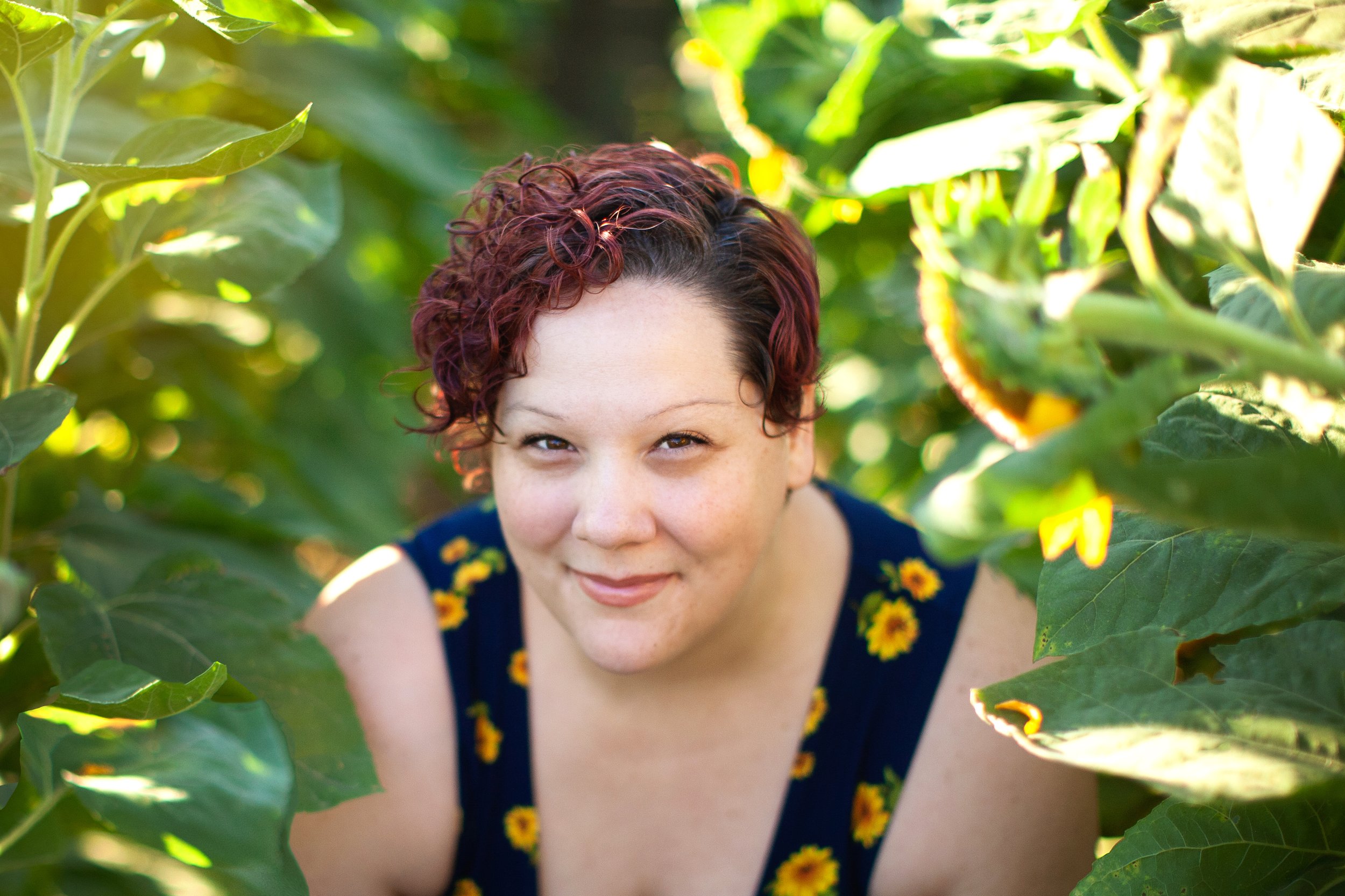
Kandace Ledergerber, LPC/LMHC, Certified EMDR Therapist
Kandace helps adults who feel stuck in the hamster wheel of anxiety and perfectionism reconnect with a sense of grounding, self-trust, and emotional steadiness. Through EMDR therapy and nervous system-informed work, she supports clients in moving out of survival mode and into a more grounded, meaningful life.
She specializes in trauma recovery, anxiety and perfectionism, and healing the lingering effects of childhood and relational trauma. Her work focuses on helping clients process painful experiences that still feel "stuck" so they can move forward with greater peace, confidence, and emotional freedom.
She offers EMDR therapy in Phoenix, anxiety therapy, and EMDR Intensives in Arizona.
Learn more about Kandace's background, approach, and services on her About page.